Entry · Ref BFR4GHGR
How to Choose the Right Niagara Falls Boat Tour From the Canadian Side
- Posted
- 2026-11-25
- Last amended
- 2026-11-25
- Account
- @canadianniagarafallsboatdigest
Standing at the railing on the Canadian side, you feel the mist before you see the falls. The rumble of Horseshoe Falls vibrates through the deck beneath your feet, and the air turns cool and damp. A boat tour is the classic way to get close to that power, but not every trip is the same. The choices you make beforehand determine whether you spend your time craning for a view through a crowd or relaxing into the experience. Here is how to pick the right trip for your visit.
Step 1: Understand What a Canadian Side Boat Tour Actually Involves
The main operator on the Canadian shore is Hornblower Niagara Cruises. Their boats depart from a dock near the base of the Niagara Gorge, sail past the American Falls and Bridal Veil Falls, and then head straight into the basin of Horseshoe Falls. You get drenched, you hear the roar up close, and you see the rainbow mist that hangs over the water on sunny afternoons. The ride is short, roughly 20 minutes on the water once you factor in boarding and departure, but the sensory hit is intense.
Because the boats operate from the Canadian side, the view of the American Falls is more distant than what you get from the U.S. side, but the approach to Horseshoe Falls is more direct. That is the trade-off. If your main goal is to feel the full force of the largest waterfall, a canadian niagara falls boat tour delivers that experience in a way that land-based viewing cannot match.
Step 2: Decide Between Daytime and Evening Sails
Most visitors book a daytime slot, and for good reason. The daylight reveals the green-blue water, the mist clouds, and the full scale of the cliffs. But the evening cruises offer a completely different atmosphere. The boats run after sunset, and the falls are lit with coloured lights. The mist glows, the crowd is smaller, and the temperature drops a few degrees. If you are visiting in summer when the days are long, an evening sail can feel more intimate.
The trade-off is visibility. You lose the detail of the rock face and the clarity of the water. You gain a moody, almost theatrical scene. If you only have time for one trip, stick with daytime. If you are staying overnight or have a flexible schedule, consider doing both, the two experiences are different enough to justify the repeat.
Step 3: Pick the Right Time of Year
Boat tours are seasonal. The season typically runs from early April to late November, with exact dates shifting each year depending on ice and weather conditions. The most comfortable time to go is late spring or early fall. The water is flowing hard from snowmelt in May and June, so the mist is heavy. July and August bring warmer air, which makes getting soaked less of a shock, but the crowds are at their peak. September offers milder weather and shorter queues.
If you visit in April or November, dress for cold. The boat moves into the wind, and the spray can feel like sleet. The boats still run, but you will want a waterproof jacket with a hood and possibly a change of clothes. The experience is no less dramatic in cooler weather, the mist freezes on railings and creates ice formations on the boat, but it is less comfortable if you are not prepared.
Step 4: Choose Your Ticket Type and Add-Ons
The basic ticket gets you on the boat. That is enough for most people. But Hornblower offers a few upgrades worth considering. The most popular is the "Voyage to the Falls" pass, which includes access to the lower observation deck. That deck sits closer to the water line and gives you a more direct angle on the falls. You get wetter, but you also get a more immersive view.
There is also a premium ticket that includes a reserved spot on the upper deck and a drink voucher. The upper deck gives you a higher vantage point, which can help with photography. If you are travelling with someone who does not want to stand in the spray for the whole ride, the indoor cabin on the lower deck is an option, you still see the falls through large windows, and you stay dry.
One thing to watch: the add-ons can add up quickly. Decide what matters to you before you arrive at the ticket booth. If your priority is getting close to the water and you do not mind being wet, the basic ticket plus the lower deck pass is the best value.
Step 5: Plan for the Crowd and the Queue
Boat tours are popular, and the wait can be longer than the ride itself. During peak summer weekends, you might spend 45 minutes to an hour in line after you buy your ticket. The best strategy is to book online in advance. That lets you pick a specific departure time and skip the ticket line. You still queue for boarding, but you save the first wait.
Arrive at the dock at least 30 minutes before your scheduled departure. The boarding process involves a short walk down a ramp, a safety briefing, and then a slow funnel onto the boat. If you are at the front of the line, you can claim a spot at the railing. If you arrive late, you end up in the middle of the crowd, which limits your view.
The boats are large and can hold several hundred people, so you will not feel cramped, but the rail space fills fast. If you want a clear view of Horseshoe Falls as the boat approaches, aim for the front or the left side of the boat. That side faces the American Falls on the way out and then turns toward the horseshoe on the way in.
Step 6: Dress for the Spray
The boats provide a plastic poncho, but it is thin and tears easily. If you have a proper rain jacket, wear it. The poncho covers your torso, but your legs and feet will get wet. Waterproof shoes or sandals that can get soaked are a good idea. Avoid cotton jeans, they stay wet and cold for the rest of the day. Quick-dry pants or shorts work better.
Electronics are at risk. The mist is fine and gets everywhere. A waterproof phone case or a dry bag for your camera is worth the small investment. If you do not have one, keep your phone in a sealed plastic bag inside a zipped pocket. The boat ride is short, but the spray is constant once you enter the basin of Horseshoe Falls.
Step 7: Know What to Expect During the Ride
The boat leaves the dock and heads slowly toward the American Falls. The captain gives a brief commentary over the speakers, pointing out landmarks. As you approach the base of the American Falls, the spray begins. The boat then turns and moves directly toward Horseshoe Falls. This is the moment when the noise becomes overwhelming and the mist turns into a heavy rain. You cannot see much at the closest point, the mist is too thick. That is the point. You feel the vibration of the water through the hull and the wind from the falling water.
The boat lingers in the basin for a minute or two, then turns and heads back. The whole experience from dock to dock lasts about 20 minutes. It is short, but it is intense. If you want more time on the water, consider booking a later departure when the boat may run a slightly longer route if conditions allow, but do not count on it.
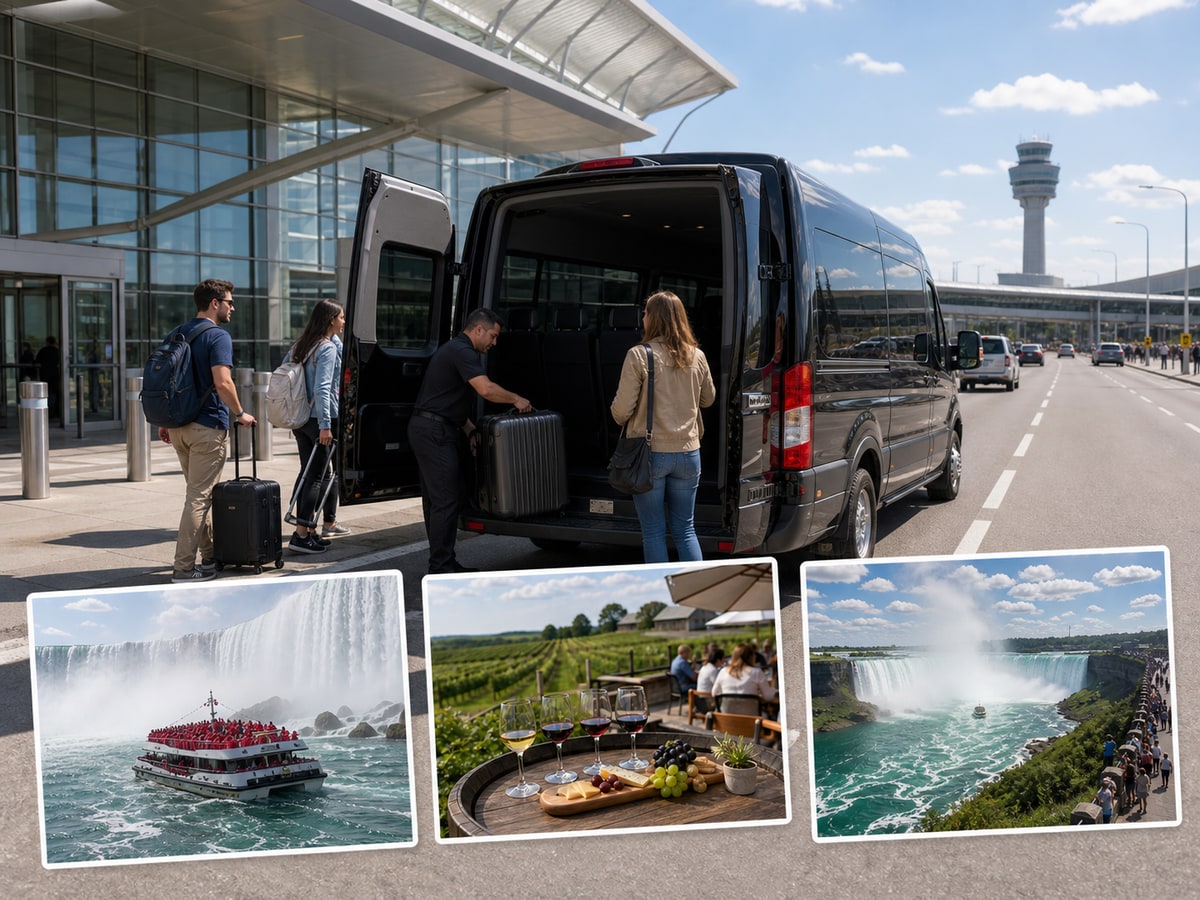
After the ride, you exit through the gift shop and the observation deck area. Take a few minutes to dry off and watch the boats from above. The view from the deck gives you a sense of the scale you just experienced from the water.
Step 8: Consider the Whole Day, Not Just the Boat Ride
A canadian niagara falls boat tour is a highlight, but it is a short one. Build the rest of your day around it. The Niagara Gorge offers walking trails, viewpoints, and the Journey Behind the Falls attraction. If you time your boat ride for mid-morning, you can spend the afternoon exploring the area without rushing. If you book a late afternoon slot, you can watch the sunset from the observation deck afterward.
The boat tour works best as part of a balanced itinerary. Do not make it the only thing you do. Combine it with a walk along the Niagara Parkway or a visit to the botanical gardens. The falls are the centerpiece, but the surrounding area has enough to fill a full day.